Slip, trip, and fall accidents are some of the most common causes of serious injuries in New Jersey. They can happen in grocery stores, apartment buildings, parking lots, restaurants, and even on sidewalks outside homes and businesses. Although many falls are brushed off as “bad luck,” a large number are caused by preventable hazards such as wet floors, broken steps, poor lighting, or ice that was not properly cleared. When a property owner fails to take reasonable steps to keep an area safe, New Jersey law may allow an injured person to pursue compensation through a premises liability claim.
This discussion explains how slip, trip, and fall cases work in New Jersey, what evidence matters most, and why acting quickly after a fall can protect both your health and your rights.
What Is a Slip, Trip, and Fall Claim in New Jersey?
In New Jersey, slip, trip, and fall cases typically fall under premises liability law. This means the focus is on whether the property owner, business operator, or manager failed to keep the premises reasonably safe for people who were lawfully on the property. A fall may be caused by unsafe conditions such as spilled liquids, uneven flooring, torn carpeting, loose handrails, broken pavement, or poor maintenance.
To succeed in a claim, the injured person generally must show that a dangerous condition existed, the property owner knew or should have known about it, and the hazard caused the fall and resulting injuries.
Where Do Slip, Trip, and Fall Accidents Commonly Happen in New Jersey?
Slip, trip, and fall accidents happen across the state, from busy commercial areas in North Jersey to suburban communities and shore towns. Many falls occur inside retail stores and supermarkets, where spills, recently mopped floors, or cluttered aisles can create sudden dangers. Restaurants and hotels can also be high-risk areas because of slick entryways, restrooms, and heavy foot traffic.
Residential properties are another common setting, especially apartment complexes and multi-family buildings. Broken stairs, loose railings, cracked sidewalks, and poorly lit walkways can all contribute to serious injuries. Outdoor falls often happen in parking lots, on uneven pavement, or on sidewalks that are damaged or not maintained.
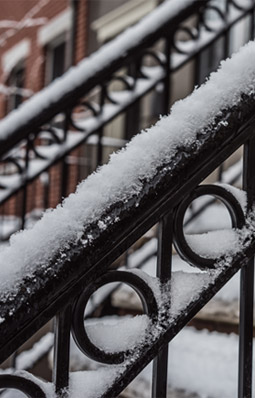
New Jersey winter weather can also lead to a noticeable increase in falls, especially during freeze-thaw cycles when melting refreezes overnight and creates black ice.
How Common Are Fall Injuries in New Jersey?
Falls are a major cause of emergency room visits and injury-related hospitalizations nationwide, and New Jersey is no exception. Older adults are especially vulnerable, and fall injuries often lead to long recoveries, surgery, and rehabilitation. These incidents also create high medical costs for individuals and families throughout the state.
Even outside the senior population, falls can cause expensive and disruptive injuries, including broken bones, head injuries, and back trauma.
What Hazards Often Cause Slip, Trip, and Fall Injuries?
Many slip and fall accidents happen because of wet or slick surfaces. This may include spilled drinks, leaking refrigeration units, tracked-in rainwater, or floors that were recently cleaned without warning signs. Trip-and-fall hazards often involve uneven flooring, raised thresholds, loose mats, curled carpet edges, exposed cords, or cracked pavement.
Poor lighting is another major factor, especially in stairwells, hallways, and parking areas. When visibility is limited, it becomes harder to see hazards in time to avoid them.
Who Can Be Held Responsible for a Fall?
Liability depends on who owned, controlled, or maintained the property. In many cases, responsibility may fall on a business owner, property owner, landlord, or property management company. In other cases, a commercial tenant may be responsible for maintaining the space in which they operate.
Some cases may also involve maintenance contractors, such as snow removal companies, depending on the circumstances and agreements in place.
What Does “Notice” Mean in a New Jersey Premises Liability Case?
In many New Jersey slip, trip, and fall claims, the key issue is whether the property owner had notice of the hazard. Notice can be actual or constructive.
Actual notice means the owner knew about the problem, such as being told about a spill or receiving prior complaints. Constructive notice means the hazard existed long enough that the owner should have discovered it through reasonable inspection and maintenance.
Some hazards are also considered foreseeable. For example, wet floors near store entrances during rain are common, so property owners may be expected to place mats or warning signs.
How Does Comparative Negligence Affect Slip and Fall Claims?
New Jersey uses a modified comparative negligence rule. This means an injured person can still recover compensation if they were partially at fault, as long as they were not more than 50% responsible. However, compensation may be reduced based on the percentage of fault assigned.
Insurance companies often argue that someone was distracted or not paying attention, which is why strong evidence matters.
What Should You Do After a Slip, Trip, and Fall?
After a fall, seek medical attention as soon as possible. Some injuries, such as concussions or soft tissue damage, may not feel serious right away.
If you can, report the fall to the property owner or manager and request an incident report. Take photos of the hazard and the surrounding area. If witnesses saw the fall or the hazard, gather their names and contact information. Avoid making statements that sound like you are admitting fault.
How Long Do You Have to File a Lawsuit in New Jersey?
Most slip, trip, and fall lawsuits in New Jersey must be filed within two years from the date of the accident. Some cases involving government property may have additional notice requirements, so acting quickly can be important.
What Compensation May Be Available After a Fall?
Compensation may include medical bills, rehabilitation costs, lost wages, reduced earning capacity, and future treatment expenses. Injured people may also pursue damages for pain and suffering and the impact the injury has on daily life.
New Jersey Slip, Trip, and Fall Lawyers at Rebenack, Aronow & Mascolo L.L.P. Will Give You the Legal Guidance You Need
Slip, trip, and fall injuries can be painful, expensive, and life-changing. If you were injured in a fall and need help understanding your next steps, the New Jersey slip, trip, and fall lawyers at Rebenack, Aronow & Mascolo L.L.P. can evaluate your situation, explain how premises liability laws apply, and help you pursue compensation while you focus on healing. Call 732-247-3600 or fill out the online form for a free consultation. Our offices are in New Brunswick, Somerville, and Manalapan, New Jersey, and we proudly serve clients in the surrounding areas.
What Clients Say About Us
⭐⭐⭐⭐⭐
“Amazing experience working with RAM Law, specifically working with Tyler who is one of the attorneys. My mother recently had a fall in our HOA neighborhood, and while this wasn’t a typical case for RAM, Tyler really took the time to get to know the situation, give us advice, and next steps for what we could do. We weren’t sure where to go or who to talk to and I was grateful to have Tyler and RAM in our network as our first and best choice we could’ve made. You can just tell the lawyers care about you and your situation, and they want to help you find the best verdict. Highly recommend working with RAM Law!”
– B.Z.
⭐⭐⭐⭐⭐
“Great detailed service from Attorney Edward Rebenack at RAM Law. Fernanda, Melissa and Joanna were professional, responsive, and helpful throughout my interactions. I truly appreciated the clear communication and respectful approach from everyone. Highly recommend based on service and attention to detail.”





 New Jersey Slip, Trip, and Fall Lawyers